
Overview
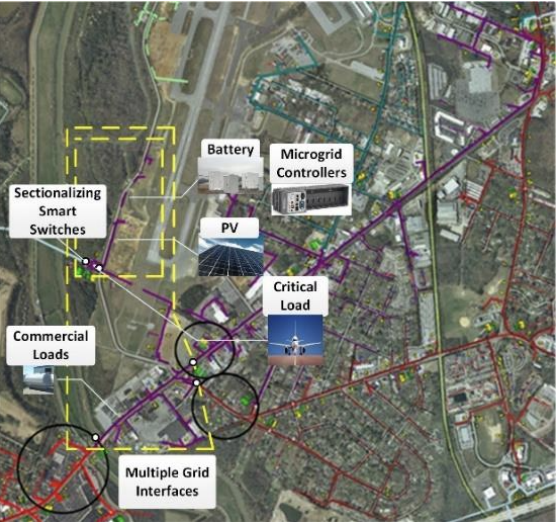
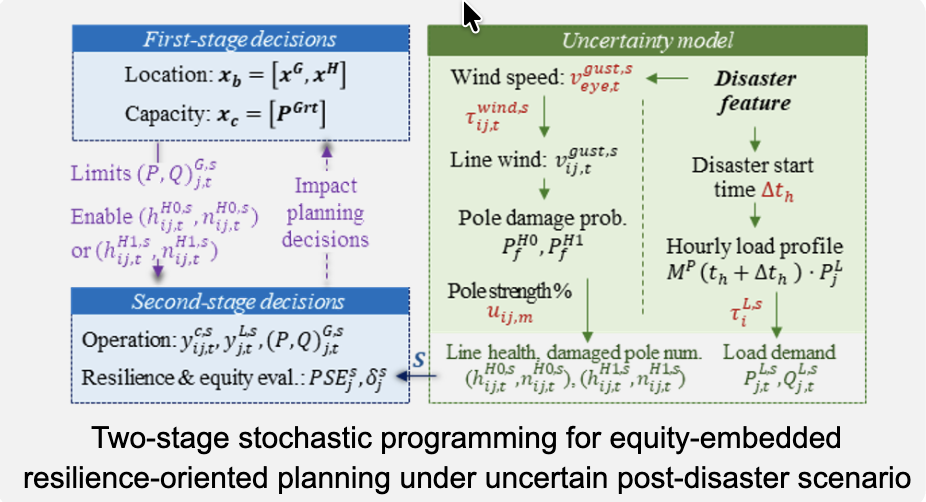
Thrust 2 focuses on designing and evaluating community microgrids that enhance energy resilience while advancing energy justice for low- and moderate-income communities. We develop people-centered microgrid systems that prioritize critical services, reduce energy burdens, and protect vulnerable populations during power outages.
Research Focus & Methods
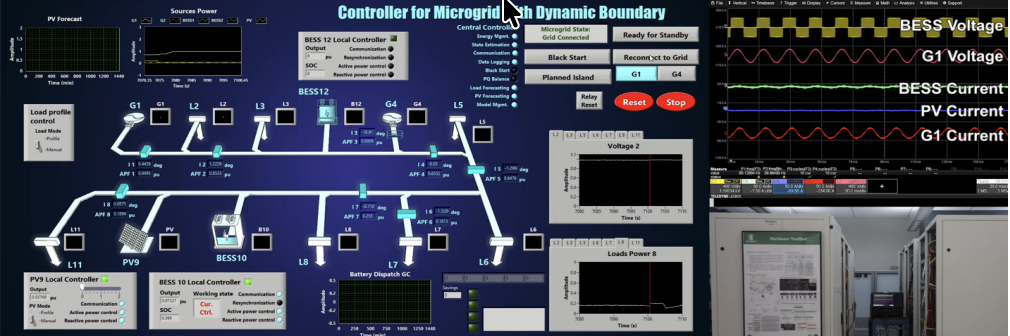
- Technical system design (solar, wind, energy storage, real-time control)
- Health impact assessment of power outages
- Justice-focused energy policy analysis
- Examining outage effects on mortality and emergency visits
- Policy recommendations for equitable infrastructure planning
- Community and stakeholder perspectives through surveys, focus groups, and interviews
Key Themes
Current Work
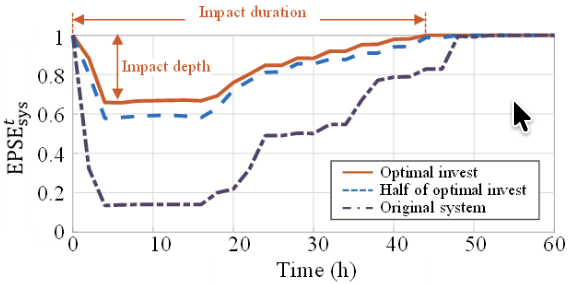
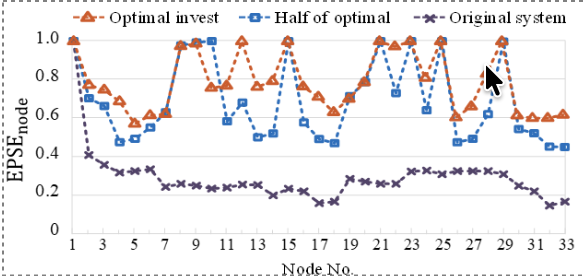
Our work integrates technical system design (including solar, wind, energy storage, and real-time control), health impact assessment, and justice-focused energy policy analysis. We examine how outages affect mortality and emergency visits, and generate policy recommendations to support equitable infrastructure planning and power system governance.
Policy & Community Relevance
In parallel, we study community and stakeholder perspectives through national surveys, focus groups, and interviews to understand social acceptance, perceived benefits and costs, and barriers to implementation. Together, these efforts aim to ensure that community microgrids are not only technically effective, but also socially inclusive, health-protective, and aligned with long-term equity goals.
Microgrid Systems, Modeling, and Applications
System & Deployment Context
Modeling & Methods
Results & Insights